Conozca a Neo, su Co-GP impulsado por IA.

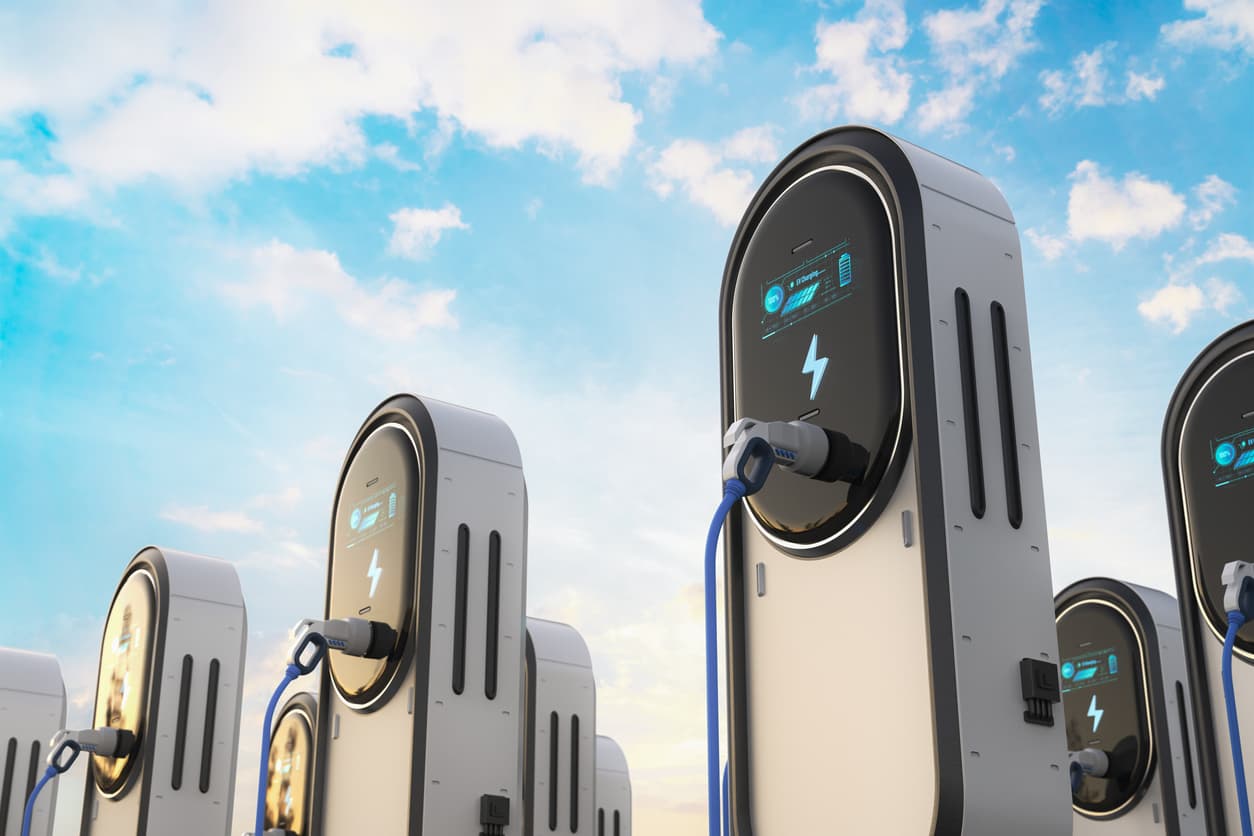
La necesidad de infraestructura de energía renovable ha permeado casi todos los sectores, y cada vez resulta más evidente que esto tendrá un impacto en los bienes raíces comerciales, concretamente, en la forma en que el software de contabilidad para sociedades de inversión debe adaptarse a esta creciente necesidad. Esto resulta especialmente claro con la demanda de infraestructura de carga para EV.
El Laboratorio Nacional de Energías Renovables (NREL) proyecta que para 2030 habrá 33 millones de vehículos eléctricos en circulación, lo que significa que se necesitarán 28 millones de puertos de carga para EV con el fin de abastecerlos. Será necesario contar con infraestructura para estaciones de carga de EV en lugares de trabajo, tiendas, restaurantes, hoteles y más.
Con esta creciente demanda, los profesionales de CRE pueden encontrar nuevas oportunidades en la infraestructura de carga para EV, y el software de contabilidad para sociedades de inversión debe adaptarse para satisfacer estas necesidades en evolución. Analicemos más de cerca cómo.
¿Busca una solución de gestión de inversiones que pueda agilizar sus procesos y ayudarle a interactuar con sus inversionistas? Conozca más sobre Covercy aquí.
El auge de los EV y su efecto en los bienes raíces comerciales
En los últimos años, la adopción de los EV entre los consumidores ha sido acelerada. En 2021, la Ley de Inversión en Infraestructura y Empleo financió 7,5 millones de dólares en infraestructura de carga para EV, mientras que la Ley de Reducción de la Inflación otorgó créditos fiscales para vehículos eléctricos. Esto significa que se necesitan equipos de apoyo para EV, como hardware, instaladores y estaciones de carga.
Se prevé que el mercado de EVSE crezca de los 7000 millones de dólares actuales a 100 000 millones de dólares para 2040, y una gran parte de este mercado está compuesta por operadores de puntos de carga (CPO, por sus siglas en inglés), que construyen, operan y mantienen las estaciones de carga de EV. Se espera que los CPO aumenten hasta alcanzar un asombroso 65 % del mercado total de EV para 2040.
Si bien el próximo crecimiento de los CPO es innegable, también es importante señalar que los expertos prevén un cambio en los segmentos donde se construirán estas estaciones de carga. En lugar de necesitar más estaciones residenciales, se espera que crezca el segmento de los lugares de trabajo, lo que significa que habrá una demanda creciente de estaciones de carga públicas.