Γνωρίστε τον Neo, τον Co-GP σας με τεχνητή νοημοσύνη.

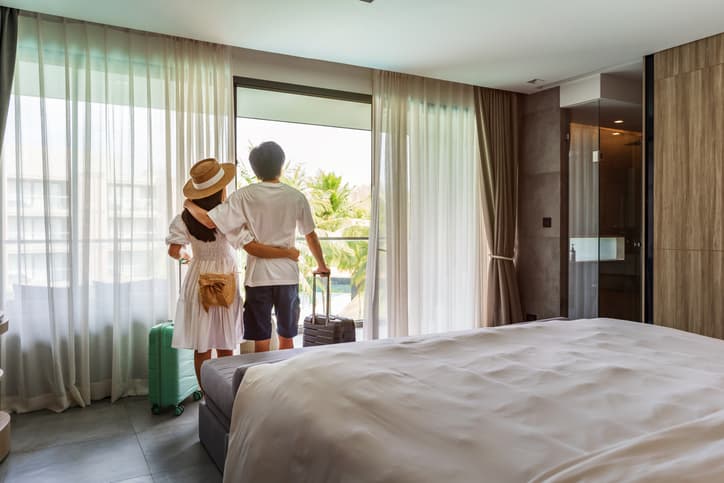
Καθώς ο κόσμος συνεχίζει να σταθεροποιείται μετά τις πρόσφατες αναταράξεις λόγω της πανδημίας, την οικονομική αβεβαιότητα και τις πολιτικές αναταραχές, ορισμένοι κλάδοι έχουν αρχίσει να αναπτύσσονται με ταχείς ρυθμούς. Ένας από αυτούς είναι ο κλάδος της φιλοξενίας, ο οποίος έχει δει αυξανόμενες τάσεις στις καταναλωτικές δαπάνες για ταξίδια και αναψυχή, οδηγώντας σε άνθηση των ακινήτων ξενοδοχείων και φιλοξενίας.
Ο κλάδος της φιλοξενίας προβλέπεται να επιστρέψει στα επίπεδα προ Covid, με εκτίμηση ότι θα φτάσει τα 0,63 τρισεκατομμύρια δολάρια έως το 2025 και θα αναπτύσσεται με CAGR άνω του 14%, φτάνοντας τα 1,4 τρισεκατομμύρια δολάρια έως το 2030. Τι πρέπει να γνωρίζετε όταν εξετάζετε επενδύσεις σε ακίνητα φιλοξενίας; Ας το δούμε πιο αναλυτικά.
Αναζητάτε ακόμη περισσότερες πληροφορίες για τα εμπορικά ακίνητα φιλοξενίας; Ρίξτε μια ματιά στο πρόσφατο άρθρο μας εδώ, 3 λόγοι για τα εμπορικά ακίνητα φιλοξενίας, και μάθετε για τα συναρπαστικά πλεονεκτήματα της επένδυσης σε αυτόν τον τομέα.
Τα βασικά της επένδυσης σε ακίνητα φιλοξενίας
Ο τομέας της φιλοξενίας γνωρίζει άνοδο, καθώς τα επαγγελματικά ταξίδια έχουν αυξηθεί, επιστρέφοντας στα επίπεδα προ Covid, και τα ξενοδοχεία, ιδίως στις αστικές περιοχές, επωφελούνται από αυτήν την ανάπτυξη. Υπάρχουν αρκετές τοποθεσίες στις ΗΠΑ που αξίζει να παρακολουθείτε αν αναζητάτε μια ποιοτική επένδυση σε ακίνητα φιλοξενίας.
Για παράδειγμα, η ξενοδοχειακή αγορά της Νέας Υόρκης αναμένεται να δει αύξηση των επισκεπτών καθώς η πολιτεία συνεχίζει να επιβάλλει περισσότερους περιορισμούς στις βραχυχρόνιες μισθώσεις. Η ξενοδοχειακή αγορά της Βοστώνης αναμένεται να γνωρίσει ισχυρή ζήτηση λόγω των γειτονικών πανεπιστημίων που δέχονται πολλούς επισκέπτες κάθε χρόνο. Άλλες πόλεις, όπως το Λας Βέγκας, το Χιούστον και η Ουάσιγκτον, αναμένεται να δουν αυξημένα ποσοστά πληρότητας ξενοδοχείων καθώς τα επαγγελματικά ταξίδια συνεχίζουν να αυξάνονται.
Και ο τουρισμός αναψυχής επανέρχεται. Αυτό συμβαίνει επειδή ορισμένοι καταναλωτές παρατείνουν τα επαγγελματικά τους ταξίδια για λόγους αναψυχής. Παρόλο που τα διεθνή ταξίδια προς τις ΗΠΑ δεν έχουν ακόμη φτάσει στα επίπεδα προ της πανδημίας, τα στατιστικά στοιχεία είναι ελπιδοφόρα και αναμένεται να συνεχίσουν να ανακάμπτουν, με την U.S. Travel Association να προβλέπει ότι οι διεθνείς εισερχόμενες αφίξεις στις ΗΠΑ θα φτάσουν στο 98% των επιπέδων του 2019, σε σύγκριση με 84% το 2023.
Επιπλέον, λόγω των συνεχιζόμενων προκλήσεων στην εφοδιαστική αλυσίδα και της αύξησης των επιτοκίων, οι κατασκευές στον κλάδο της φιλοξενίας έχουν επιβραδυνθεί πρόσφατα. Αυτό σημαίνει ότι τα υφιστάμενα ακίνητα φιλοξενίας αναμένεται να έχουν ακόμη μεγαλύτερη ζήτηση καθώς ο ανταγωνισμός μειώνεται. Πολλές πόλεις εφαρμόζουν επίσης ολοένα και αυστηρότερους κανονισμούς για τις βραχυχρόνιες μισθώσεις. Για παράδειγμα, η Νέα Υόρκη ψήφισε το 2021 έναν νέο νόμο που περιορίζει τις βραχυχρόνιες μισθώσεις, όπως η Airbnb, οδηγώντας σε μείωση των καταχωρίσεων κατά πάνω από 80%. Με την προσφορά νέων εγκαταστάσεων φιλοξενίας να είναι περιορισμένη, θα ήταν συνετό να επενδύσετε σε υφιστάμενα ακίνητα για να εκμεταλλευτείτε αυτό το ανταγωνιστικό πλεονέκτημα.