
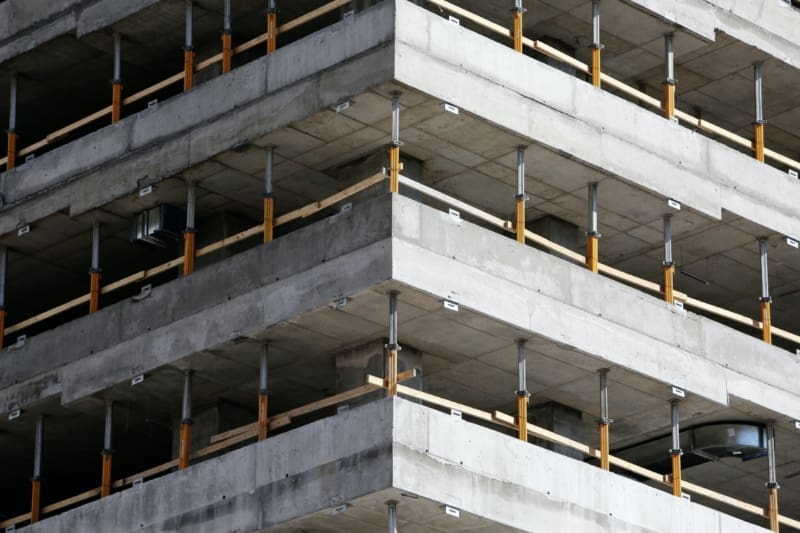
Reasons why distressed commercial real estate is trending:
- Rising home prices: Home prices have been rising steadily for the past few years, making it difficult for some people to afford a home. As a result, there has been an increase in the number of homes that are being foreclosed on or sold at auction.
- Lower interest rates: Interest rates have been at historic lows for the past few years, which has made it cheaper to borrow money to buy real estate. This has made distressed property purchases more attractive to investors, as they can borrow money at a low-interest rate to buy a property and then fix it up and sell it for a profit.
- Opportunity to find undervalued properties: Distressed properties are often undervalued, which means that investors can buy them for a lower price than they would be able to buy a similar property that is not distressed. This can lead to significant profits if the investor is able to fix up the property and sell it for a higher price.
- Potential for cash flow: Distressed properties can also provide investors with potential for cash flow. If the investor is able to buy a property at a low price and then rent it out, they can generate a steady stream of income from the property.
Note: General partners, deal sponsors, and syndicators who own distressed commercial real estate are using Covercy’s investment management platform to raise capital, distribute payments, and manage investor communications — all in one tool. GPs with high deposit balances can even earn a profit exceeding Covercy’s software’s monthly cost. Schedule your demo today.
According to Robin Hendrix of Coldwell Banker Commercial, the number of distressed commercial real estate is increasing especially in the office sector as a result of the pandemic ushering in a widespread attitudinal shift toward allowing employees to work from home permanently.
While buying distressed real estate may seem like a great opportunity, it is important to note that there are also risks associated with buying distressed properties. These properties often need significant repairs, and there is no guarantee that you will be able to sell them for a profit. As a result, it is important for general partners (GPs) to do their research before buying a distressed property.
Here are some tips for buying distressed properties:
- Do your research: Before you buy a distressed property, it is important to do your research and understand the market you are investing in. This includes understanding the current trends in property values, the condition of the local economy, and the demand for the specific asset class.
- Get a professional inspection: Once you have found a property that you are interested in, it is important to get a professional inspection. This will help you identify any potential problems with the property that you may not be able to see on your own.
- Be prepared to negotiate: When you are buying a distressed property, it is important to be prepared to negotiate the price. The seller may be willing to sell the property for less than the asking price, especially if they face foreclosure.
- Have a plan for repairs: If you are buying a property that needs repairs, it is important to have a plan in place for how you will finance the repairs. You may be able to get a loan from a bank or credit union, or you may be able to fund the project with outside investors.
- Be patient: Buying a distressed property can be a long and complicated process. It is important to be patient and prepared to deal with any unexpected challenges that may arise.
How risky is a distressed commercial real estate strategy?
The risk profile of distressed real estate can differ from other exit strategies due to several factors:
- Condition and Repairs: Distressed properties often require significant repairs or renovations to bring them up to market standards. This can introduce higher costs and potential unknowns in terms of the extent of the required work. These repair costs need to be factored into the investment budget and timeline.
- Market Volatility: Distressed properties are more susceptible to fluctuations in the real estate market. If the market continues to decline or remains stagnant, it may be challenging to sell the property at a profit or within the desired timeframe. Market conditions can impact the investor’s ability to exit the investment successfully.
- Financing Challenges: Obtaining financing for distressed properties can be more challenging compared to traditional real estate investments. Lenders may view distressed properties as higher risk due to their condition or the potential difficulties in determining their true market value. Investors may face higher interest rates, more stringent lending criteria, or the need for alternative financing options.
- Legal and Title Issues: Distressed properties may have legal or title issues, such as liens, pending litigation, or zoning problems. These issues can complicate the purchase process and increase the risk of unforeseen legal and financial obligations for the investor.
- Time and Effort: Distressed property investments often require a significant amount of time, effort, and expertise to identify, negotiate, acquire, and manage. Investors must be prepared to devote resources to address the property’s challenges, oversee renovations, and navigate any legal or administrative complexities.
It’s important to recognize that each real estate investment strategy, including distressed commercial real estate purchases, carries its own set of risks and rewards. Investors should carefully evaluate their risk tolerance, financial capabilities, and market conditions before choosing a specific strategy. Conducting thorough due diligence, working with experienced professionals, and having a contingency plan can help mitigate risks associated with distressed property investments.
Distressed Real Estate Investment: Benefits by Asset Class
The feasibility of succeeding in a distressed commercial real estate investment depends on several factors, and the benefits of taking on such a challenge differ based on the specific asset class in question.
Multifamily
- Steady Cash Flow: Distressed multifamily properties, once renovated and leased, can generate consistent rental income, providing a steady cash flow stream.
- Demand Stability: The demand for rental housing tends to remain relatively stable, even during economic downturns, making distressed multifamily properties potentially resilient investments.
- Portfolio Diversification: Investing in multifamily properties allows for diversification across multiple rental units, reducing the risk associated with vacancies and tenant turnover.
Industrial
- Growing Demand: With the rise of e-commerce and logistics, the demand for industrial properties, such as warehouses and distribution centers, has been increasing, providing potential investment opportunities.
- Long-Term Leases: Industrial properties often attract long-term tenants, including logistics companies and manufacturers, leading to stable cash flows and reduced tenant turnover risks.
- Repurposing Potential: Distressed industrial properties may offer opportunities for creative repurposing or redevelopment to meet evolving market demands, such as converting a former factory into mixed-use space or repurposing a warehouse for e-commerce fulfillment.
Commercial
- Prime Location: Distressed commercial properties in desirable locations can offer significant value potential once revitalized, as they may attract high-quality tenants and command higher rental rates.
- Appreciation Potential: Successful repositioning and improvement of distressed commercial properties can lead to increased property values and potential capital appreciation over time.
- Diverse Tenant Base: Commercial properties, such as retail or office spaces, can attract a diverse range of tenants, reducing dependence on a single industry or tenant.
Warehousing
- E-commerce Growth: The surge in online shopping has fueled demand for warehouse space, making distressed warehousing properties potentially attractive investments.
- Last-Mile Logistics: Proximity to urban areas for efficient last-mile delivery can be a key advantage of distressed warehouse properties, especially in densely populated regions.
- Flexibility: Warehousing properties often have flexible layouts and zoning, allowing for different usage options, such as distribution centers, storage facilities, or light industrial spaces.
Office Space
- Location and Amenities: Distressed office properties in prime locations, close to business districts or transportation hubs, can offer attractive amenities and access to a skilled workforce.
- Value-Add Potential: Upgrading distressed office properties with modern features, technology infrastructure, and flexible workspaces can increase their market appeal and rental rates.
- Tenant Stability: Long-term leases with established corporate tenants can provide stability and reliable cash flows, especially for distressed properties with existing occupants.
It’s important to note that the advantages and benefits of distressed properties within each asset class can vary depending on factors such as location, market conditions, and the investor’s specific goals and strategies. Conducting thorough due diligence and working with professionals familiar with the specific asset class are crucial steps when considering distressed real estate investments.
Distressed Real Estate: Steps to Take Before Investing
A general partner (GP) seeking to capitalize on distressed properties as an investment strategy and provide high returns for investors can consider the following actions:
- Extensive Market Research: Conduct thorough market research to identify areas with a high potential for distressed property opportunities. Analyze economic indicators, supply and demand dynamics, and local market conditions to target markets where distressed properties are available at attractive prices.
- Robust Deal Sourcing: Develop a strong network of real estate agents, brokers, financial institutions, and distressed property specialists to source potential deals. Actively seek out distressed properties through foreclosure auctions, short sales, REO (real estate owned) listings, or direct negotiations with distressed property owners.
- Due Diligence: Perform comprehensive due diligence on each potential investment opportunity. Assess the property’s physical condition, legal and title status, zoning requirements, potential liens, and any other relevant factors. Evaluate the cost of repairs or renovations required to bring the property to market standards.
- Strategic Financing: Identify financing options tailored for distressed property acquisitions. Explore alternative financing sources, such as hard money lenders or private equity partners, who may be more inclined to finance distressed property investments. Negotiate favorable terms to maximize returns and mitigate risks.
- Risk Mitigation: Develop a risk mitigation strategy that accounts for potential challenges associated with distressed properties. This may include estimating conservative property valuations, factoring in unexpected repairs or delays, and maintaining a contingency fund to address unforeseen issues.
- Value-Add Strategies: Create a detailed business plan outlining value-add strategies to enhance the distressed properties’ value. This could involve renovating, improving property management, repositioning, or optimizing the property’s use. Aim to increase rental income, attract higher-quality tenants, or explore redevelopment options that align with market demands.
- Active Management: Implement proactive property management strategies to optimize the investment’s performance. This includes effective tenant screening, ongoing property maintenance, cost management, and regular market analysis to ensure the property remains competitive and profitable.
- Transparent Communication: Maintain open and transparent communication channels with investors. Provide regular updates on the progress of the investment, financial performance, and any potential risks or challenges. Keep investors informed about key decisions and seek their input when appropriate.
- Exit Strategy Planning: Develop a well-defined exit strategy that outlines the intended timeline and approach for selling or refinancing the distressed commercial real estate. Continuously monitor market conditions and identify optimal exit opportunities to maximize returns for investors.
Remember, each investment opportunity is unique, and success depends on various factors. Engaging experienced professionals, including real estate attorneys, financial advisors, and property managers, can provide valuable guidance and expertise throughout the investment process.
Consider Investment Management Software
Covercy is an investment management software tool that can offer several benefits to a general partner (GP) managing a distressed property investment. Here are some ways a GP can utilize Covercy to streamline and enhance their management processes:
- Deal Pipeline Management: Covercy can help the GP track and manage their deal pipeline effectively. The software allows for centralized storage of property information, including property details, financial data, due diligence documents, and communications with sellers or brokers. This helps the GP stay organized and efficiently evaluate potential distressed property opportunities.
- Financial Analysis and Reporting: Covercy can assist the GP in performing financial analysis and generating comprehensive reports. The software can integrate with accounting systems and automatically consolidate financial data related to the distressed property investment. This enables the GP to assess the financial performance of the investment, track expenses, and generate reports for internal use or to share with investors.
- Investor Management and Communication: Covercy can serve as a platform for managing investor relationships and communication. The software can maintain investor contact details, investment commitments, and distribution preferences. It can also facilitate communication with investors by sending updates, financial reports, and other relevant information through a secure portal or email.
- Document Management: Covercy can act as a centralized document repository for all property-related documents. This includes legal agreements, lease agreements, title documents, property inspections, and any other relevant paperwork. By storing documents in a structured manner, the GP can easily access and share information with stakeholders, ensuring transparency and efficient collaboration.
- Task and Workflow Management: Covercy offers task and workflow management features that enable the GP to assign, track, and prioritize tasks associated with the distressed property investment. This can help ensure that critical deadlines are met, property inspections are scheduled, repairs are completed, and other necessary activities are executed in a timely manner.
- Performance Monitoring and Analytics: Covercy can provide real-time performance monitoring and analytics for the distressed property investment. The software can track key performance indicators (KPIs), such as occupancy rates, rental income, expenses, and property valuations. This allows the GP to evaluate the investment’s progress and make data-driven decisions to optimize its performance.
- Compliance and Document Sharing: Covercy can facilitate compliance management by storing and tracking important compliance documents, such as permits, licenses, and certificates. The software can also support secure document sharing with relevant parties, ensuring compliance with data privacy and security regulations.
- Collaboration and Integration: Covercy can enhance collaboration among team members working on the distressed real estate investment. The software enables sharing of information, tasks, and documents within a centralized platform. Additionally, Covercy may integrate with other tools or systems, such as accounting software or project management platforms, to streamline workflows and improve efficiency.
Manage your distressed real estate assets with Covercy — free
With a distressed property investment strategy, it’s especially important to keep your investors involved and updated with transparent communication via an investor portal. Covercy is the first investment management platform on the market that gives real estate professionals a one-stop solution for deal management, transparent real-time investor communication and reporting, and closed-loop distribution payments via ACH debit and integrated CRE banking. All in one place, all with Covercy. Give it a try today.
RECENT POSTS
- The Rise of Net-Zero Buildings: Transforming Sustainable Real Estate
- Elevating Tenant Experience: The New Standard in Commercial Real Estate
- Behind the Latest Surge in Trophy Office Development
- Covercy Appoints Peter Sanchez as President to Accelerate U.S. Growth and Institutional Capabilities
- Dominating the Skyline: The U.S. Edge in Global Real Estate Development
We use cookies to ensure that we give you the best experience on our website. By using our website, you agree to our privacy policy.